Belladerm Blog

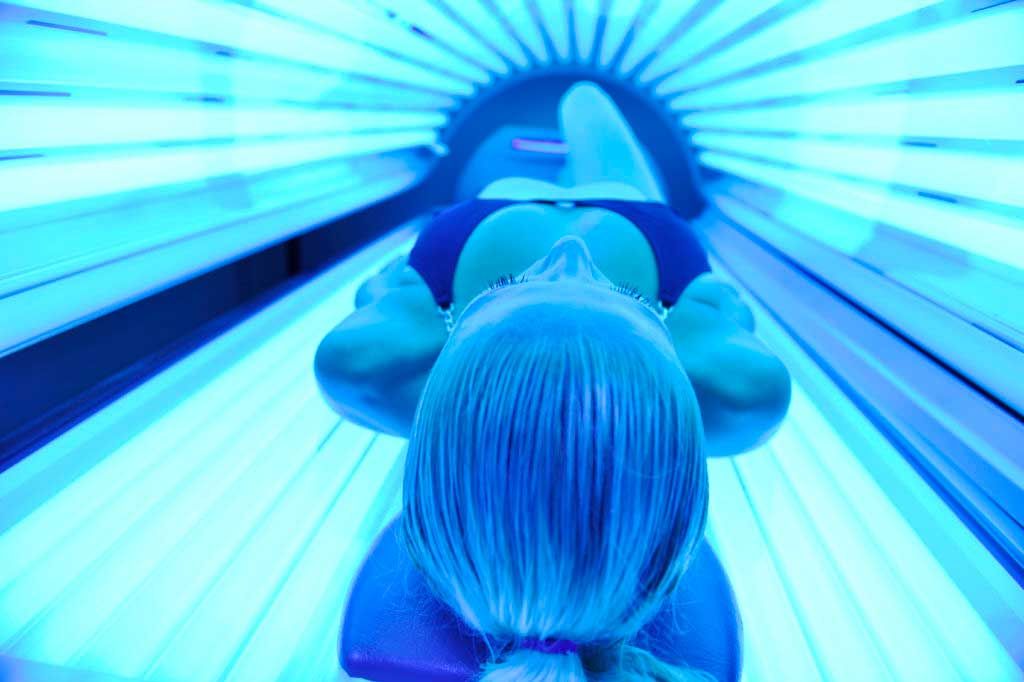
Top 5 Reason to Avoid Tanning Beds

Belladerm • June 4, 2014

Summer is finally here and many of us Midwesterners are anxious to spend as much time as possible basking in the cherished summer sun. After all, we deserve it with the brutal winter we’ve had, right? Some people may be thinking, I am not nearly tan enough for bathing suit season, maybe now is a good time to go to the tanning bed, Right? Wrong! There is never a good time to go to the tanning bed!


Here are 5 top reasons why you should avoid tanning beds at ALL costs:


1. Your risk of melanoma increases by 75 percent when you use tanning beds before the age of 35.
2. Last year, the International Agency for Research on Cancer shifted indoor tanning devices to the highest cancer risk category: “carcinogenic to humans.” (They were formerly classified as “probably carcinogenic to humans.”)
3. Tanning can be addictive. For some people, UV radiation can have a drug like effect; they feel dependent on it and can experience withdrawal symptoms, says David Fisher, M.D., Ph.D.
4. Not only are tanning-bed users more vulnerable to melanoma, they’re also 2½ times more likely to be diagnosed with squamous cell carcinoma and 1½ times more susceptible to basal cell carcinoma.
5. If you want to stop or prevent premature aging, steer clear of tanning beds. Tanning beds cause noticeably aging skin, such as wrinkles, fine lines and age spots. Tanning can also create a “Leathery look to the skin which can add years to a person’s appearance.


A Tan may look Good but is it Good for you? More Dangers of Indoor Tanning.
Indoor tanning exposes users to two types of ultraviolet (UV) rays, UV-A and UV-B, which damage the skin and can lead to cancer. Indoor tanning is particularly dangerous for younger users; people who begin indoor tanning during adolescence or early adulthood have a higher risk of getting melanoma, likely because of increased lifetime UV exposure. In fact, every time you tan you increase your risk of getting melanoma.
Sunburns and tans are both dangerous because they cause DNA damage to our skin. Your risk of developing melanoma increases after just one blistering sunburn.


Squamous cell cancer increases based on your lifetime exposure to UV rays. Basal cell carcinoma risk increases based on the combination of intense sun exposure and lifetime exposure to UV radiation. UV radiation comes from the sun…and from tanning beds.


You cannot get a “Safe Tan” from a Tanning Bed.
The FDA and the CDC both suggest that you avoid using tanning beds in order to prevent developing skin cancer. There really is no such thing as a safe tan from a tanning bed. In addition to the risk of developing skin cancer, exposure to UV rays causes your skin to age prematurely.
It’s time we rethink our position on the standards of beauty. A Tan really is not beautiful; it is a walking advertisement for skin cancer.


This might ring a bell: “You only get the healthy rays in tanning beds,” or “Tanning beds give you a ‘base tan’ to keep you from burning.” The tanning-salon industry wooed many of us with these marketing claims when UVA rays — the ones tanning machines mainly use — were thought to be safe and only UVB rays from the sun were believed to be harmful.


Since then, we’ve grown wiser. Definitive research has now proven that both UVA and UVB rays can cause skin cancer. (UVA rays have been specifically linked to melanoma.) Still, about 30 million people go tanning every year, about 70 percent of whom are young women. Tanning salons outnumber even Starbucks and McDonalds in some of the largest U.S. cities, according to a San Diego State University study.
Still don’t want to kick the habit? Here’s why you must kiss the bed good-bye!


Help educate our youth about the Dangers of Tanning Beds!
Tanning Beds and Teens. Tanning beds are not safe. Both UVA and UVB rays cause cancer. Tanning beds often exceed “safe” UV limits, despite the claims of the salon. Teens are at special risk because their bodies are undergoing such accelerated growth rates that their cells are more prone to the damage of the UV radiation. By routinely tanning their skin starting at a young age, teens put themselves at greater lifetime risk of developing skin cancer. Contrary to popular belief, it is possible to get sunburn in a tanning bed, and your eyes are at an increased risk of developing cataracts and corneal burns.


UV Radiation
UV radiation comes from the sun and from tanning beds. UV radiation damages our skin and adversely affects our immune system. As previously mentioned, one blistering sunburn increases your risk of developing melanoma, which is a very dangerous and lethal skin cancer. You are also 2.5 times more likely to develop basal cell carcinoma and 1.5 times more likely to develop squamous cell.


Statistics
In the United States, indoor tanning is thought to cause about 419,000 cases of skin cancer every year. For comparison, smoking is thought to cause about 226,000 cases of lung cancer every year.


According to the 2011 Youth Risk Behavior Surveillance System, the following proportions of youth report indoor tanning—
• 13% of all high school students.
• 21% of high school girls.
• 32% of girls in the 12th grade.
• 29% of white high school girls.


According to the 2010 National Health Interview Survey, indoor tanners tended to be young, non-Hispanic white women.
• 32% of non-Hispanic white women aged 18–21 years reported indoor tanning. Those who reported indoor tanning device use reported an average of 28 sessions in the past year.


• Among non-Hispanic white adults who used an indoor tanning device in the past year, 58% of women and 40% of men used one 10 times or more in the past year.


• Non-Hispanic white women between the ages of 18 and 21 years residing in the Midwest (44%) and non-Hispanic white women between the ages of 22 and 25 old in the South (36%) were most likely to use indoor tanning devices.


http://www.cdc.gov/cancer/skin/basic_info/indoor_tanning.htm
http://www.doctoroz.com/blog/susan-evans-md/dangers-tanning-beds
http://www.webmd.com/beauty/sun/5-scary-facts-about-tanning-beds

You, Only Better™

Belladerm MedSpaTM is Maple Grove’s state-of-the art medical spa, offering today’s most advanced and effective procedures to the Twin Cities area.

Connect with us

Subscribe via Email

Share

Check Out our Other Posts

June 24, 2026
When it comes to skin rejuvenation, some concerns need more than a great skincare routine. Texture changes, acne scarring, crepey skin, mild laxity, and overall loss of firmness often start beneath the surface, which is why advanced treatments like Morpheus8 RF Microneedling have become such a popular option for patients who want noticeable improvement without surgery. At Belladerm MedSpa, we’re excited to offer Morpheus8 Deep and Morpheus8 Burst Deep , advanced radiofrequency microneedling treatments designed to remodel the skin, support collagen production, and improve the look of firmness and texture on the face and body. What Is Morpheus8? Morpheus8 combines two trusted skin-renewing technologies: microneedling and radiofrequency energy. During treatment, tiny microneedles create controlled micro-injuries in the skin while radiofrequency energy delivers heat below the surface. This combination helps stimulate the body’s natural healing response and supports the production of new collagen and elastin over time. The result is skin that can look smoother, firmer, and more refreshed as your results continue to build. What Can Morpheus8 Help Treat? Morpheus8 is commonly used to improve the appearance of: Fine lines and wrinkles Mild to moderate skin laxity Uneven skin texture Acne scarring Enlarged pores Crepey skin Stretch marks Overall skin quality and firmness Because Morpheus8 can be customized by treatment depth, energy level, and area, it is a versatile option for patients looking to address both facial and body concerns. Morpheus8 Deep vs. Morpheus8 Burst Deep While both treatments use radiofrequency microneedling technology, they are designed with slightly different goals in mind. Morpheus8 Deep is often used for targeted remodeling in areas where patients want firmer, smoother-looking skin. It can be a great option for concerns such as texture, laxity, and skin quality on areas like the face, neck, jawline, and select body areas. Morpheus8 Burst Deep is designed for the body and larger treatment areas. This technology allows energy to be delivered at multiple depths in a single pulse, helping address deeper tissue support while also improving the skin’s surface texture. It is especially helpful for body areas where patients may notice crepey skin, laxity, or textural changes. Popular Treatment Areas Morpheus8 can be used on many areas of the face and body, including: Face Neck Jawline Abdomen Arms Thighs Knees Bra line Areas with stretch marks or crepey texture During your consultation, your Belladerm provider will help determine which Morpheus8 option is best suited for your skin, goals, and treatment area. What to Expect After Treatment Downtime can vary depending on the area treated and the intensity of your treatment. Most patients can expect some redness, swelling, tenderness, or a “sunburn-like” feeling immediately after treatment. Some patients may also notice pinpoint scabbing or rough texture as the skin heals. While early changes may be noticeable as the skin begins to recover, Morpheus8 results build gradually. Since this treatment works by stimulating collagen remodeling, improvements typically continue to develop over the following weeks and months. Is Morpheus8 Right for You? Morpheus8 may be a good fit if you are looking for a non-surgical treatment to improve skin firmness, texture, and overall quality. The best way to know which option is right for you is through a personalized consultation. Ready to learn more about Morpheus8 Deep or Morpheus8 Burst Deep for the body? Schedule a consultation with Belladerm MedSpa and let our team of aesthetic experts help you build a treatment plan designed around your goals.
June 1, 2026
Summer plans have a way of sneaking up fast — vacations, weddings, long weekends, lake days, and all the photo-worthy moments in between. And while we all want to feel fresh, confident, and glowing before we go, pre-vacation skin prep should be light, simple, and easy to plan around. At Belladerm, our summer glow checklist is all about low-downtime treatments that refresh your skin without major recovery time. From hydration-boosting facials like HydraFacial® and DiamondGlow® to gentle SkinMedica® peels and glow-enhancing add-ons like dermaplaning, these treatments are designed to help your skin look smooth, polished, and vacation-ready. Here are five light, summer-friendly treatments to consider before your next getaway. 1. HydraFacial® for Instant Hydration + Glow If your skin is feeling dull, dry, congested, or just a little tired, HydraFacial® is one of the best ways to get that fresh, hydrated look before vacation. This treatment helps deeply cleanse, exfoliate, extract, and hydrate the skin all in one appointment. It’s a favorite before trips because it leaves the skin looking refreshed and dewy without major downtime or recovery. Best for: Dullness, dryness, congestion, clogged pores, and a quick glow boost. When to book: About 3–7 days before vacation for fresh, hydrated-looking skin. 2. DiamondGlow® for Polished Skin DiamondGlow® is another summer favorite for patients who want their skin to feel smoother, brighter, and refreshed before heading out of town. This treatment exfoliates the skin while infusing customized serums, making it a great choice for a pre-vacation skin reset. It’s especially helpful if your skin is feeling rough, dry, uneven, or in need of a polished glow before beach days, weddings, or summer photos. Best for: Texture, dryness, dullness, and an overall summer skin refresh. When to book: About 1 week before vacation . 3. A Light SkinMedica® Peel for a Gentle Brightening Boost A light SkinMedica® Vitalize Peel can be a great option if you want to brighten your skin and smooth uneven texture before vacation — without anything too aggressive. For summer, the key is keeping it light. This is not the time for major peeling, heavy recovery, or anything too intense right before sun exposure. A gentle peel can help refresh dull skin and give your complexion a brighter, smoother appearance when timed correctly. Best for: Dull tone, uneven texture, roughness, and a subtle glow-up. When to book: About 3-4 weeks before vacation , depending on your skin and your provider’s recommendation. Good to know: Even with a lighter peel, SPF is a must. Your provider will help you decide which peel is best for your skin and when to schedule it based on your travel plans. 4. Botox® for a Refreshed, Rested Look If you want to look a little more refreshed in vacation photos, Botox® can be a great addition to your pre-trip plan. Botox® helps soften the appearance of expression lines, including areas like the forehead, frown lines, and crow’s feet. Because Botox® results take time to fully develop, it’s best not to wait until the last minute. Booking ahead gives your treatment time to settle so you can enjoy a smoother, more rested look while you’re away. Best for: Forehead lines, frown lines, crow’s feet, and a refreshed appearance. When to book: About 2-4 weeks before vacation . 5. Add Dermaplaning to Boost Your Facial Want to take your glow one step further? Dermaplaning can be added to select facial treatments to help gently remove peach fuzz and surface buildup, leaving the skin feeling smoother, softer, and more polished. It’s a great add-on before vacation because it can help your skincare, SPF, and makeup apply more smoothly — giving your facial results an extra boost. Best for: Smoother skin, enhanced glow, makeup prep, and boosting your facial results. When to book: About 3–5 days before vacation , depending on your skin and treatment plan. Keep Your Summer Skin Prep Light Before a sunny vacation, less can be more. The goal is to choose treatments that help your skin look refreshed, hydrated, and polished without creating unnecessary sensitivity or downtime. That’s why we recommend planning ahead and sticking with light, glow-focused options before travel. If your trip includes lots of sun, beach time, boating, or outdoor activities, our team can help guide you toward treatments that fit your timeline and skin goals. From HydraFacial® and DiamondGlow® to light peels, Botox®, and glow-boosting add-ons, we’ll create a customized plan that leaves you looking fresh, polished, and vacation-ready — without overdoing it.
May 1, 2026
If you’ve been looking for a way to improve skin laxity without surgery, QuantumRF may be worth a closer look. This advanced radiofrequency treatment is gaining attention for its ability to support tighter, firmer-looking skin, especially in areas like the face, jawline, and neck. And for some patients, combining QuantumRF with Morpheus8 may offer an even more comprehensive approach to rejuvenation. Keep reading to learn how QuantumRF works, who may be a good candidate, and why pairing it with Morpheus8 can make sense with the right treatment plan. What Is QuantumRF? QuantumRF is a minimally invasive radiofrequency treatment designed to address skin laxity by targeting tissue beneath the surface. Unlike treatments that focus mainly on the outermost layers of the skin, QuantumRF is often used when the goal is to support tightening at a deeper level. This makes it especially appealing for patients who want improvement in firmness and contour, but are not ready for surgery. As we age, collagen loss and tissue laxity can contribute to sagging skin, softened facial definition, and a less sculpted appearance. QuantumRF is designed to help address those concerns by delivering controlled radiofrequency energy where deeper tightening can make a visible difference. Why Deeper Tightening Matters When patients think about skin tightening, they often focus on what they can see on the surface. But in many cases, visible laxity starts deeper within the tissue. That is why some treatments are better suited for mild texture concerns, while others are more appropriate for patients who want more noticeable tightening and contour support. QuantumRF stands out because it is often chosen for its ability to target deeper tissue planes. This makes it a strong option for patients concerned with loose skin along the jawline, lower face, or neck, where deeper structural support can play an important role in the final result. Where Morpheus8 Comes In While QuantumRF focuses on deeper tissue tightening, Morpheus8 is often used to address surface-level remodeling. Morpheus8 combines microneedling with radiofrequency energy to target the skin at multiple levels, helping improve the appearance of texture, tone, and overall skin quality. That is why these treatments can work so well together. QuantumRF can support tightening beneath the surface, while Morpheus8 helps refine the skin from the outside in. For the right patient, this combination can create a more complete rejuvenation plan rather than relying on a single treatment alone. Deeper Tightening and Surface-Level Remodeling One of the biggest benefits of combining QuantumRF with Morpheus8 is that each treatment plays a different role. QuantumRF is typically used when deeper tissue tightening is the priority, while Morpheus8 can help improve the look and feel of the skin itself. Together, this approach can help address multiple concerns at once, including: Loose or sagging skin Mild to moderate skin laxity Softened jawline definition Uneven skin texture Overall skin quality and firmness For patients who want a more comprehensive treatment plan, this combination can be a thoughtful way to approach both contour and skin rejuvenation. Who May Be a Good Candidate? Patients who may be good candidates for QuantumRF skin tightening are often those who are starting to notice visible laxity, but want to explore non-surgical options before considering a more invasive procedure. Many are looking for a treatment that goes beyond skincare and addresses firmness in a more meaningful way. Patients who also want improvement in skin texture, smoothness, or overall skin remodeling may benefit from asking whether Morpheus8 should be part of their treatment plan as well. The best approach depends on your anatomy, the areas being treated, your goals, and how much downtime you are comfortable with. Why a Customized Treatment Plan Matters No two faces age in the same way. Some patients are mainly concerned with deeper laxity and loss of definition, while others are more focused on crepey skin, rough texture, or overall skin quality. That is why consultation and customization are so important. A personalized treatment plan helps determine whether QuantumRF alone is the right choice or whether combining QuantumRF with Morpheus8 may deliver a more balanced result. In many cases, the best outcomes come from treating both the deeper support structures and the skin itself. Experience QuantumRF When it comes to non-surgical skin tightening, treating only the surface is not always enough. QuantumRF offers an advanced option for deeper tightening, while Morpheus8 can complement those results with surface-level remodeling. Together, they may create a more complete approach to rejuvenation for patients who want firmer-looking skin, improved contour, and a smoother overall appearance. If you are considering skin tightening treatment, the best next step is to schedule a complimentary consultation with our aesthetic professionals to determine whether QuantumRF, Morpheus8, or a combination of both is right for you.
Show More